The subtle art of brewing tea
Tea bags, pyramids and loose leaves
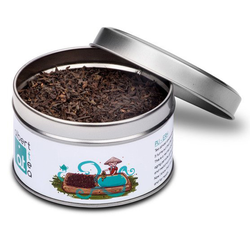
Tea needs enough room for its leaves to open freely. Dried leaves contain hundreds of volatile compounds that contribute to their aromas. As the leaves unfurl in hot water, those aromas emerge. A tiny bag of finely cut tea can offer a different experience from whole leaves with space to expand.
The original article is also critical of some pyramid bags, which may contain plastic and leave too little space once the leaves expand. Materials and bag sizes vary, so consider the particular product rather than assuming every bag is the same.
Our preferred options are a sufficiently large infuser or loose leaves placed directly in a teapot, with the finished infusion strained into a cup.
Choosing the water temperature
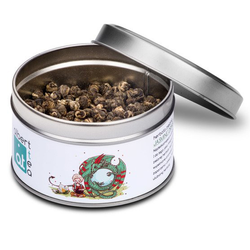
Boiling water is not right for every tea. Excessive heat can produce an unpleasantly bitter or astringent cup. Different tea types have different processing and oxidation levels, and their flavour compounds respond differently to temperature. Jasmine Dragon Pearls, for example, rewards careful preparation that preserves its delicate floral character.
The original article suggests the following starting points:
- White tea: around 85°C.
- Green tea: around 80°C.
- Yellow tea: around 85°C.
- Black tea: 90–95°C.
- Pu-erh: 95–99°C.
- Oolong: up to around 99°C.
These are broad guidelines, not universal rules. Follow the instructions for your specific tea, then adjust to taste.
Giving tea enough time
Brewing time depends on your method. For an ordinary Western-style preparation, the original article recommends around 120–180 seconds. Many leaves can be infused again, with the result depending on tea quality, dose, temperature and time. The article suggests up to two infusions for white tea and up to five for other types.
Gong fu brewing uses more leaf relative to water and shorter infusions. The article gives initial times of 10–15 seconds for black tea and Pu-erh, around 15 seconds for green and yellow tea, and 20–25 seconds for oolong. Strain the infusion and repeat, enjoying the changing aromas and flavours.
Its suggested totals are around five infusions for white, green and yellow teas, eight or nine for black tea and oolong, and 15–20 for Pu-erh. Treat these as examples rather than promises: particular teas and recipes differ.
Enjoying tea fully takes a little care, but the essentials are simple. Give the leaves room, choose a suitable temperature and brewing time, and make space in your day for a fragrant cup.
Recommended